
Hypnosis for Sleep Disorders in Sydney
Experience the power of hypnosis for sleep disorders at Sydney’s leading clinical hypnotherapy practice.
Samantha Jones specializes in sleep hypnosis techniques that help Sydney residents overcome insomnia, sleep anxiety, and disrupted sleep patterns.
Samantha has 25 years’ experience in helping clients from all Sydney suburbs achieve deep, restorative sleep through targeted hypnotherapy.
Insomnia
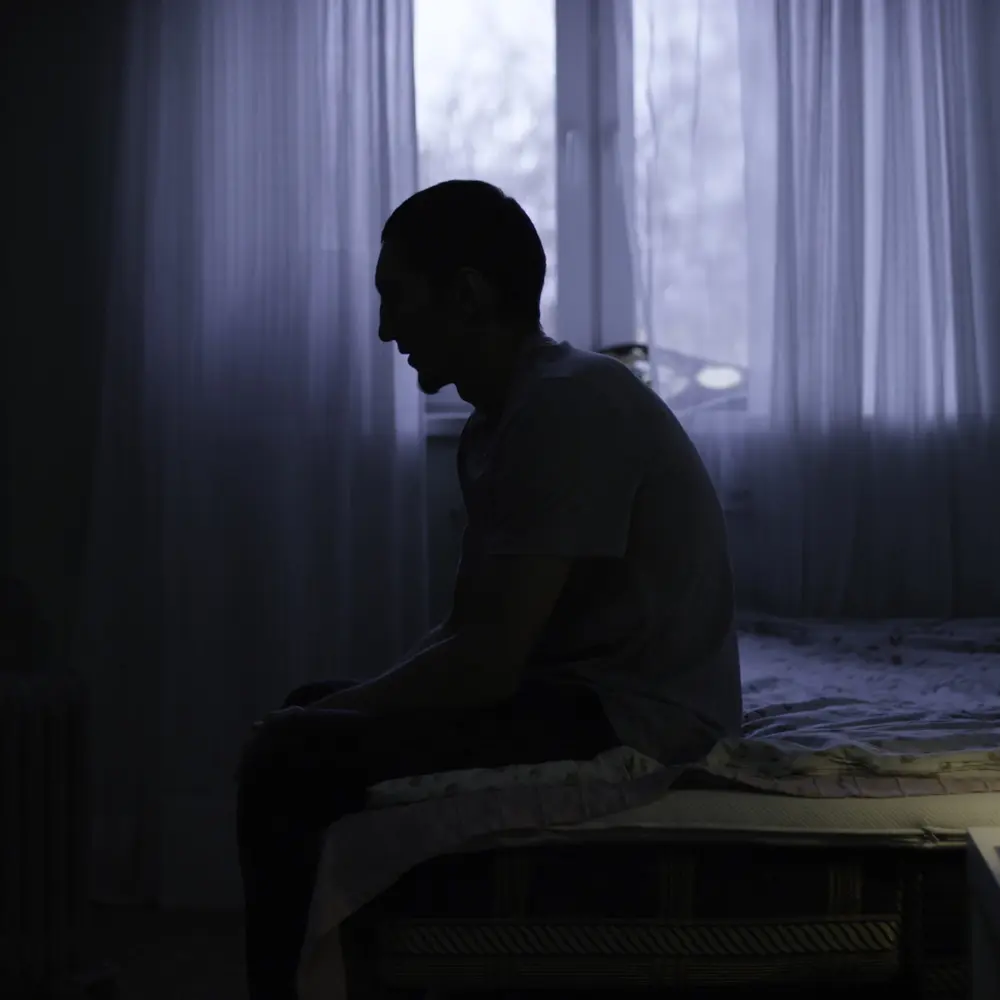
Sleeping difficulties affect so many people, and we see clients with sleep disorders regularly.
Insomnia is a sleep disorder that is characterised by the inability to fall asleep within a reasonable amount of time, an inability to stay asleep due to frequent waking, and/ or having poor quality non-refreshing sleep.
Clients that present with insomnia as well as some other sleeping problems often report fatigue, exhaustion, lack of focus and concentration, as well as frustration, and anxiety about being able to fall asleep naturally.
Not sleeping well has a dreadful domino effect that wreaks havoc on daily functioning.
Long-term insomnia can lead to other issues, such as depression, anxiety, addictions and irritability to name a few.
Other Sleep Disorders

Causes of Insomnia & Other Sleep Disorders
There are many underlying causes of insomnia and sleep disorders.
The cause may be biological.
Due to naturally decreasing melatonin as we age, insomnia is common in the elderly.
Hormone changes during menopause may also disrupt sleep.
There could be a medical explanation when a condition causes pain or respiratory problems or certain medications may have side effects that interfere with sleeping deeply.
There are also psychological factors such as feelings of anxiety, stress or pressure to perform at work, unresolved family issues, or major life events, such as a death.
The good news is that we can help you!
North Shore & City Hypnotherapy Sydney can help you sleep naturally and comfortably.
Certified Clinical Hypnotherapist & Counsellor Samantha Jones has more than 25 years’ experience in in successfully helping clients with insomnia and other sleep disorders just like you.
Regardless of whether your sleeping difficulty is mild, acute or chronic, whether you take sleeping pills or not, and whether there is a medical, biological or psychological cause or a combination, we can help you!
Optimal Evolution™: Hypnotherapy for Sleep Disorders Tailored to YOU
Every client is different and every Session will be unique, depending on the goal, therapies and techniques used within our Optimal Evolution Hypnotherapy System™.
No two cases of sleep disorders are the same.
Even if the symptoms appear identical, what is driving the behaviours and feelings is going to be entirely different, because your life experience is unique.
Samantha will help you achieve lasting change quickly, effectively and comfortably with Optimal Evolution™, by customizing therapies and techniques best suited to you.

So how do we resolve your issue?
Easily and effectively!
Through hypnotherapeutic counselling, we take a comprehensive history and identify key areas that need to be resolved in hypnosis for you to sleep deeply, and awaken refreshed.
These encompass old beliefs that no longer serve you, as well as thought patterns, feelings and self-talk.
We take you into hypnosis and use various therapies and techniques to:
ASK YOURSELF:
Does the benefit of investing in some Sessions with us to be free of your sleep disorders/insomnia outweigh the ongoing costs of staying the same with poor quality sleep?

You are just one click away from getting your life back!
REVIEWS
Testimonials on Hypnosis / Hypnotherapy for Sleep Disorders (Sydney & Online)
* Individual results may vary.
FAQs
Q1. How does hypnosis help with sleep?
Using hypnosis for sleep is effective because it addresses the underlying issues that keep your mind engaged at bedtime.
At our Sydney sleep hypnosis clinic, Samantha will put you in a deeply relaxed state where your subconscious mind is more open to positive suggestions around sleep patterns and behaviours.
Sleep hypnosis can help:
😪 Minimize mental clutter: Hypnosis can reduce the racing thoughts and worries that can keep you from falling asleep.
Hypnotherapy can help your mind learn to shift from busy beta brainwave states to theta brainwave states associated with sleep mode.
😪 Reprogramming negative sleep associations:
Sleep issues often lead to negative associations with the bedroom or bedtime routines for many people.
Hypnotherapy uses techniques such as visualization and suggestions to create new and positive associations with sleep in the mind of the client and reprogram the subconscious mind for peaceful and restorative sleep.
😪 Managing Sleep Anxiety:
If you’ve had sleep disruption, you may now have anxiety regarding sleep.
Hypnosis can help with this by programming calm, confident feelings related to your natural ability to fall asleep.
Hypnotherapy may involve “anchoring” strategies that give you the luxury of triggering a relaxation response when you hit the sheets.
😪 Establishing Healthy Sleep Rhythms:
Hypnosis is effective in establishing sleep-wake regularities through post-hypnotic suggestions that instruct your subconscious mind to naturally wind down at the appropriate time and making sure to sleep and wake consistently.
This is good news for Sydney shift workers, and those with misaligned sleep patterns.
Research studies have shown that sleep hypnosis has been found to reduce average sleep onset time and increase total deep sleep.
Q2. Can hypnosis help with insomnia?
Hypnosis is highly effective for insomnia.
Hypnotherapy offers incredibly powerful strategies that effectively eliminate insomnia symptoms and protect against their return when used appropriately.
😴 Hypnosis for Primary Insomnia:
Is your sleeplessness due to causes other than medical, psychiatric, or environmental factors?
Hypnotherapy can help you effectively restore natural healthy sleep through various techniques that directly target the mental and emotional behaviours keeping you awake.
😴 Hypnosis for Secondary Insomnia:
Are your sleep issues linked to stress, anxiety, depression or trauma?
If so, hypnotherapy will involve addressing both the root cause and the sleep symptoms.
Most of the time, this provides much better relief than just medication alone for sleep.
😴 Hypnosis for Sleep Maintenance Problems:
Do you easily fall asleep but then wake up many times during the night?
Hypnotherapy can train your subconscious mind to maintain a deeper, more continuous sleep cycle, including installing mental “sleep anchors” and automatically returning to sleep after waking.
Q3. What can I realistically expect from hypnosis for sleep disorders?
Most clients demonstrate a significant reduction in symptoms after 4-8 hypnotherapy sessions.
Some clients report shifts in symptoms after just one session at our Sydney sleep hypnosis practice!
Many clients speak about how their sleep continued to improve for months after their hypnotherapy sessions were completed.
Q4. Do you have any tips before going to bed, after experiencing hypnosis for sleep disorders?
While hypnotherapy is a very effective treatment for sleep disorders, being successful at resolving your sleeping issues and insomnia will always be a better experience when utilizing good sleep hygiene as well.
Clients will be encouraged to also develop better habits or strategies around their sleep hygiene, such as making sure the environment is quite, comfortable and dark, no monitors, limiting mobile phone screen time, etc.
Q5. What brings Sydneysiders to your Sydney sleep hypnosis practice?
North Shore & City Hypnotherapy Sydney offers hypnosis services for sleep to clients from all over Greater Sydney.
Sydney’s hyperactive lifestyle creates unique sleep issues.
For example, shift work employees and emergency service staff often face circadian rhythm interruptions.
If you are suffering from sleep issues in the Eastern Suburbs, not sleeping well in the Hills District, or tossing and turning all night on the Northern Beaches,
our effective hypnotherapy can help you reconnect with your natural sleep patterns.
Samantha uses simple but effective hypnosis methods to reset your bodys clock naturally, whether you are a nurse at the Royal North Shore Hospital or a finance person in the City dealing with global markets.
Our Sydney sleep hypnosis clinic is conveniently located in Wahroonga, serving local residents in:
🥱 North Shore: Hornsby, Lane Cove, Mosman, Crows Nest, etc.
😪 Hills District: Castle Hill, Baulkham Hills, Bella Vista and surrounding suburbs.
😴 Northern Beaches: Manly, Dee Why, Killarney Heights and other coastal communities.
😪 Inner West: Glebe, Leichhardt, Newtown and neighbouring suburbs.
😴 Eastern Suburbs: Bondi, Coogee, Randwick, etc.
… and all other suburbs in Greater Sydney!
Many professionals in Sydney CBD, North Sydney and Chatswood like the fact we offer evening appointments (until 8:00 PM) which allow them to access hypnotherapy services and still get a good night’s sleep, without interfering with their workplace commitments.
Our sleep hypnosis service is also available online, and is just as effective as in person!
SCIENTIFIC RESEARCH
Studies on hypnosis & hypnotherapy for sleep disorders such as insomnia are as follows.
* By clicking on the following links, you will be taken to another website.
Hypnotic enhancement of slow-wave sleep increases sleep-associated hormone secretion and reduces sympathetic predominance in healthy humans (2022)
[Abstract]
Sleep is important for normal brain and body functioning, and for this, slow-wave sleep (SWS), the deepest stage of sleep, is assumed to be especially relevant. Previous studies employing methods to enhance SWS have focused on central nervous components of this sleep stage. However, SWS is also characterized by specific changes in the body periphery, which are essential mediators of the health-benefitting effects of sleep. Here we show that enhancing SWS in healthy humans using hypnotic suggestions profoundly affects the two major systems linking the brain with peripheral body functions, i.e., the endocrine and the autonomic nervous systems (ANS).
Specifically, hypnotic suggestions presented at the beginning of a 90-min afternoon nap to promote subsequent SWS strongly increased the release of growth hormone (GH) and, to a lesser extent, of prolactin and aldosterone, and shifted the sympathovagal balance towards reduced sympathetic predominance. Thus, the hypnotic suggestions induced a whole-body pattern characteristic of natural SWS. Given that the affected parameters regulate fundamental physiological functions like metabolism, cardiovascular activity, and immunity, our findings open up a wide range of potential applications of hypnotic SWS enhancement, in addition to advancing our knowledge on the physiology of human SWS.
Hypnosis Intervention Effects on Sleep Outcomes: A Systematic Review (2018)
[Abstract]
Study objectives: Sleep improvement is a promising target for preventing and modifying many health problems. Hypnosis is considered a cost-effective and safe intervention with reported benefits for multiple health conditions. There is a growing body of research assessing the efficacy of hypnosis for various health conditions in which sleep was targeted as a primary or secondary outcome. This review aimed to investigate the effects of hypnosis interventions on sleep, to describe the hypnotic procedures, and to evaluate potential adverse effects of hypnosis.
Methods: We reviewed studies (prior to January 2017) using hypnosis in adults for sleep problems and other conditions comorbid with sleep problems, with at least one sleep outcome measure. Randomized controlled trials and other prospective studies were included.
Results: One hundred thirty-nine nonduplicate abstracts were screened, and 24 of the reviewed papers were included for qualitative analysis. Overall, 58.3% of the included studies reported hypnosis benefit on sleep outcomes, with 12.5% reporting mixed results, and 29.2% reporting no hypnosis benefit; when only studies with lower risk of bias were reviewed the patterns were similar. Hypnosis intervention procedures were summarized and incidence of adverse experiences assessed.
Conclusions: Hypnosis for sleep problems is a promising treatment that merits further investigation. Available evidence suggests low incidence of adverse events. The current evidence is limited because of few studies assessing populations with sleep complaints, small samples, and low methodological quality of the included studies. Our review points out some beneficial hypnosis effects on sleep but more high-quality studies on this topic are warranted.
Clinical Hypnosis in Reducing Chronic Insomnia Accompanied by Rumination (2017)
[Abstract]
While slow-wave sleep (SWS) is fundamental for maintaining health and well-being, it is typically reduced with stress or age. The authors have previously reported that hypnotic suggestions before sleep increased SWS duration and slow-wave activity (SWA) during a midday nap in hypnotizable younger and older women. To test generalizability, they investigated this effect across 8 hours nighttime sleep in 43 healthy young French-speaking subjects (19 males) of high and low hypnotizability. In accordance with their previous results, listening to hypnotic suggestions before sleep was followed by higher amounts of SWS in highly hypnotizable subjects and higher SWA power compared to a control condition.
The effects were most pronounced at the beginning of the night. Further studies are needed to examine whether hypnotic suggestions can deepen sleep also above non-intervention nights. The findings provide a basis for the examination and potential application of hypnosis to improve sleep in clinical populations.
Deepening sleep by hypnotic suggestion (2014)
[Abstract]
Study objectives:
Slow wave sleep (SWS) plays a critical role in body restoration and promotes brain plasticity; however, it markedly declines across the lifespan. Despite its importance, effective tools to increase SWS are rare. Here we tested whether a hypnotic suggestion to “sleep deeper” extends the amount of SWS.
Design: Within-subject, placebo-controlled crossover design.
Setting: Sleep laboratory at the University of Zurich, Switzerland.
Participants: Seventy healthy females 23.27 ± 3.17 y.
Intervention: Participants listened to an auditory text with hypnotic suggestions or a control tape before napping for 90 min while high-density electroencephalography was recorded.
Measurements and results: After participants listened to the hypnotic suggestion to “sleep deeper” subsequent SWS was increased by 81% and time spent awake was reduced by 67% (with the amount of SWS or wake in the control condition set to 100%). Other sleep stages remained unaffected. Additionally, slow wave activity was significantly enhanced after hypnotic suggestions. During the hypnotic tape, parietal theta power increases predicted the hypnosis-induced extension of SWS. Additional experiments confirmed that the beneficial effect of hypnotic suggestions on SWS was specific to the hypnotic suggestion and did not occur in low suggestible participants.
Conclusions: Our results demonstrate the effectiveness of hypnotic suggestions to specifically increase the amount and duration of slow wave sleep (SWS) in a midday nap using objective measures of sleep in young, healthy, suggestible females. Hypnotic suggestions might be a successful tool with a lower risk of adverse side effects than pharmacological treatments to extend SWS also in clinical and elderly populations.